
Trans Wisconsin Adventure Trail
Premium Adventure Badge™
.%20The%20image%20features%20a%20winding%20dirt%20and%20gravel%20road%20cutting%20through%20dense%20forests%20.webp)
Trans Wisconsin Adventure Trail
Premium Adventure Badge™
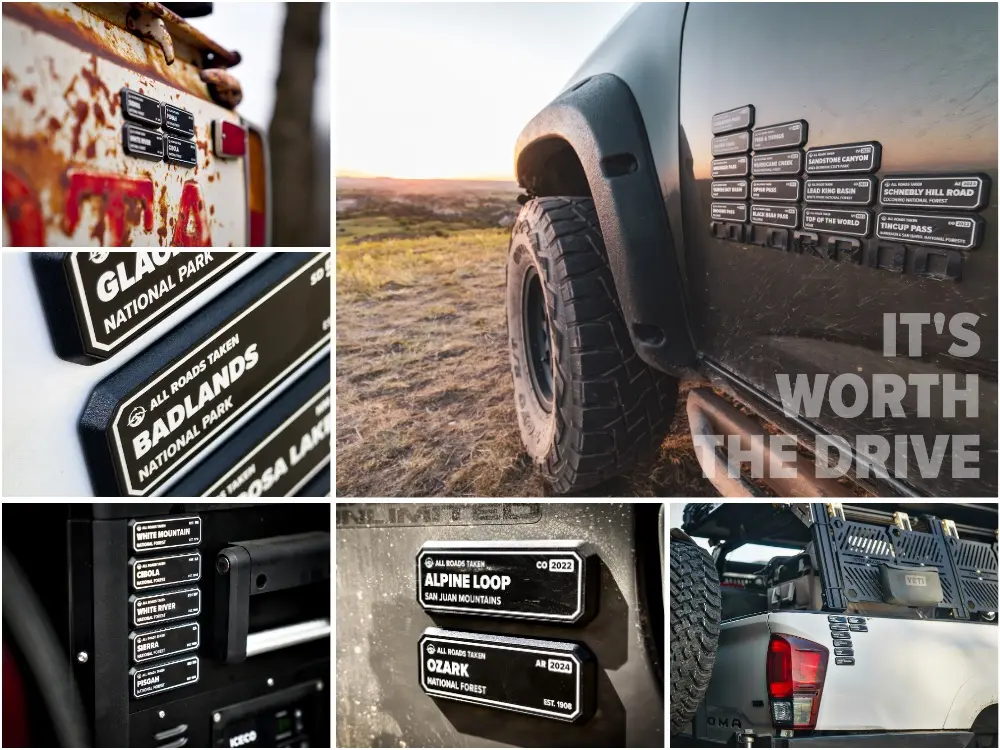
Celebrate your adventure with a premium, USA-made, metal badge for your vehicle, RV, or camper.
Digital badge rendering shown
- Lifetime Guarantee
- 100% Made in the USA
- High-end alternative to a sticker or patch
- Collectible for all your adventures!
$20.00
Digital badge rendering shown
- Lifetime Guarantee
- 100% Made in the USA
- High-end alternative to a sticker or patch
- Collectible for all your adventures!
- Personalized by year!
- Adventure Passport enabled!
$20.00
Add Passport Entry
Engineered For The Road
Mounts safely and easily to any vehicle with paint-safe, 3M adhesive.
Related And Nearby Badges
Adventure Passport™
Your Linked Adventures
Adventure Passport™
Your Linked Adventures
Download the Adventure Passport™ app to add the linked passport item(s) below to your profile and start building your adventure story.
Get the Adventure Passport™ App

Linked Passport Items
.%20The%20image%20features%20a%20winding%20dirt%20and%20gravel%20road%20cutting%20through%20dense%20forests%20.webp)
Off Road And Overland Trails
Central Wisconsin, WI